 Release date:2026-01-05
 Author:Monband

First, the harmful effects of soil compaction.
1. When soil becomes compacted, its permeability decreases significantly. Because plant roots tend to grow towards water and nutrients, and compacted soil prevents water and nutrients from penetrating deeply, they accumulate on the surface, causing the roots to grow upwards.
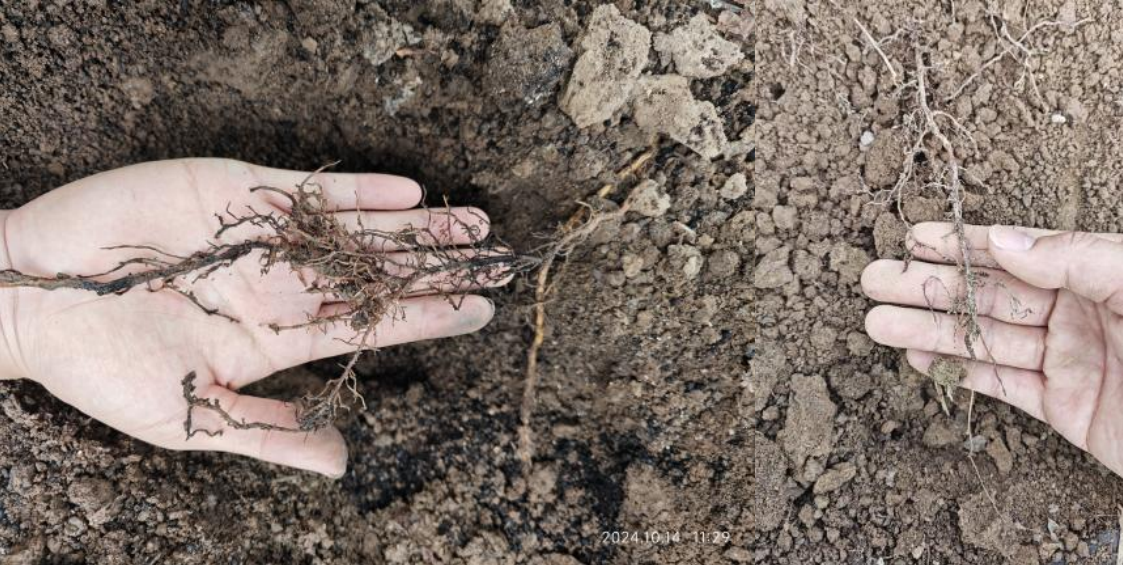
2. Soil compaction reduces the mobility of nutrients in the soil, leading to lower fertilizer efficiency and waste. At the same time, the unabsorbed elements such as phosphorus, sulfur, calcium, and magnesium can further exacerbate soil compaction, creating a vicious cycle.
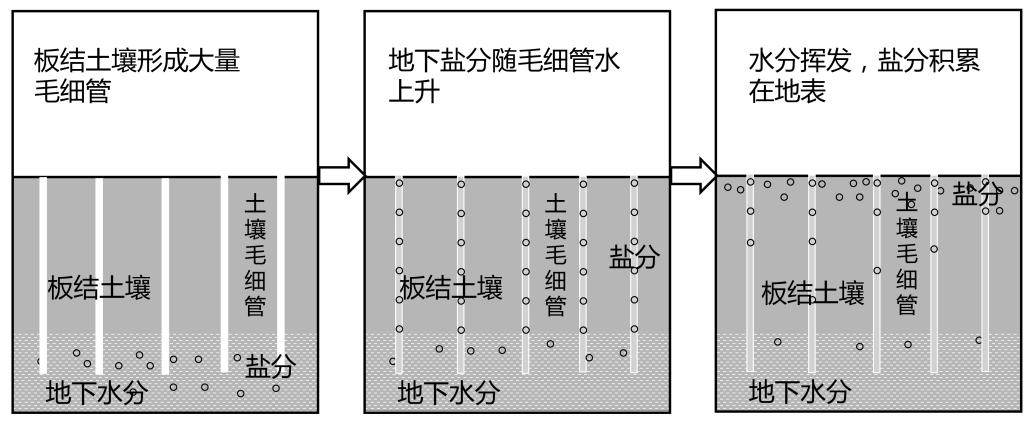
3. Compacted soil has a dense texture and is prone to capillary action, which continuously draws water from the deeper layers of the soil to the surface. As this water rises, it carries salts with it. When the water evaporates, the salts remain in the topsoil, leading to soil salinization.
4. When soil becomes compacted, the oxygen content in the soil decreases significantly, causing the roots to be in a low-oxygen environment for extended periods. This reduces the production of ATP through root respiration, and since the absorption of most elements by crops is an active transport process requiring ATP for energy, this can negatively impact nutrient uptake.
Second, the causes of soil compaction.
1. The core reason is the decline in soil organic matter content. During their activity, soil microorganisms consume approximately 25 parts of carbon for every 1 part of nitrogen. Therefore, the organic matter in the soil is constantly being consumed, and insufficient replenishment leads to a deficiency of organic matter.
2. Unreasonable fertilization practices can also lead to soil compaction. In some fertilizers with low utilization rates, unabsorbed phosphate and sulfate ions combine with calcium and magnesium ions in the soil, forming insoluble substances. These substances disrupt the soil's original structure and worsen soil compaction.
Third, solutions to soil compaction.
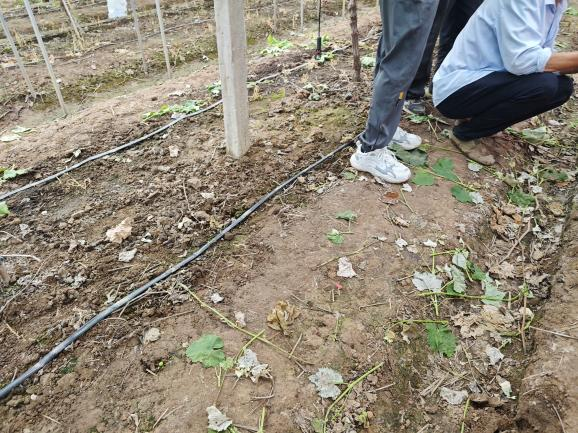
1. Soil can be loosened and compacted soil structures broken up through rotary tillage. However, it's important to note that deep rotary tillage in orchards can easily damage the tree roots, especially during the fruiting period; therefore, shallow tillage is crucial during this time.
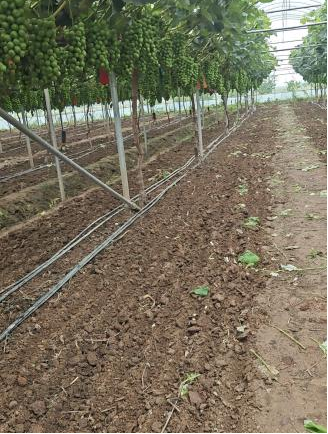
2. The core measure to address soil compaction is to increase the soil's organic matter content. Organic matter can improve the physical properties of the soil, enhancing its permeability and water retention capacity. At the same time, it provides sufficient food and energy for the activity of soil microorganisms. The secretions produced by these microorganisms can accelerate the process of soil aggregation, fundamentally improving the problem of soil compaction.
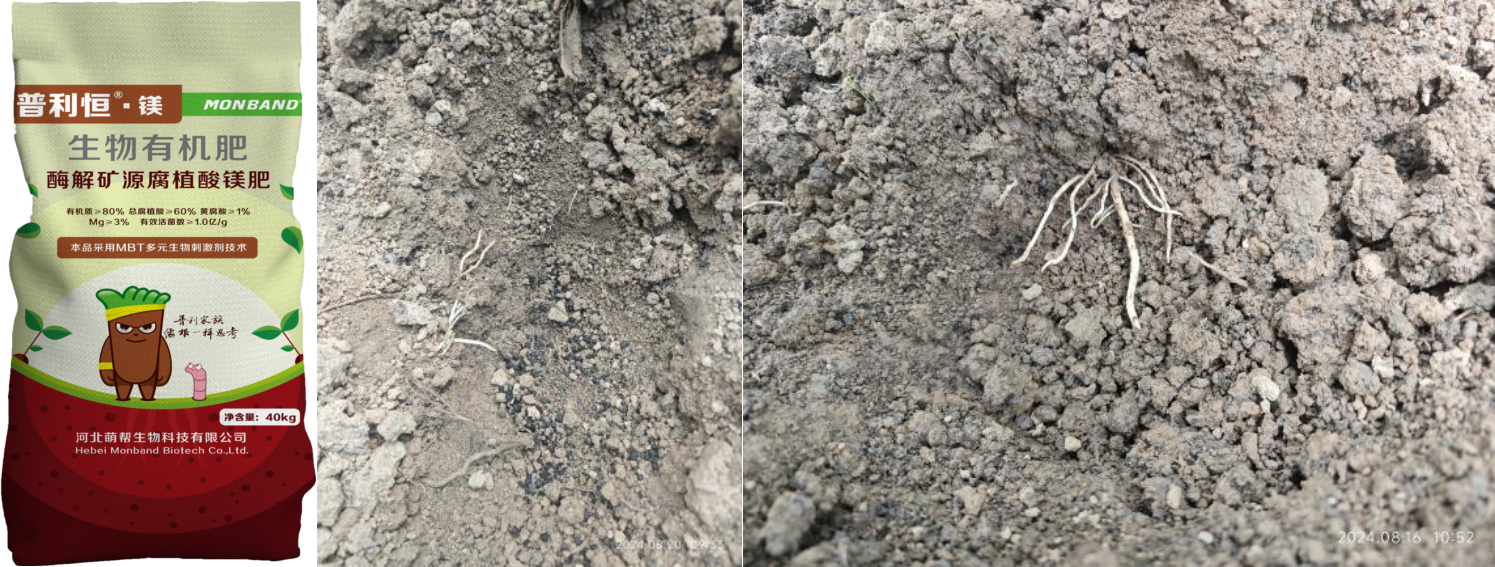
Monband® MBT PULI HENG·Mg is prepared using MBT-Multifunctional Biostimulant technology. The raw materials are clean, the product has a neutral pH, and its gentle nature avoids irritating the soil and plants, making it safer and more suitable for use. It contains 80% organic matter and 100 million active bacteria per gram, supplementing soil organic matter, forming granular structures, and restoring soil vitality. It contains 60% humic acid and 1% fulvic acid, with added magnesium to extend the functional period of the leaves, allowing for the accumulation of more nutrients and promoting nutrient translocation.
 Learn more
 Website Map


 冀公网安备13019902000986