 Release date:2025-09-24
 Author:Monband

Pigmented chili peppers refer to chili pepper varieties specifically used for extracting natural capsicum pigment. For pigmented chili peppers, the color change not only requires "redness," but also uniform color change, fast speed, and high pigment content.
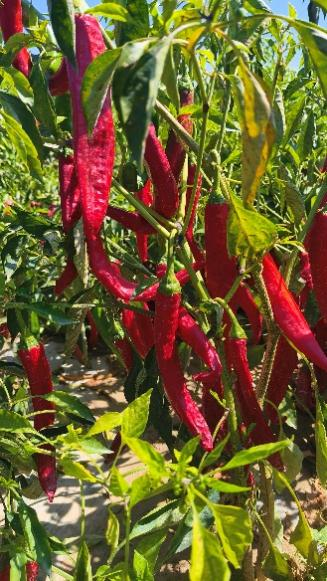
So what factors affect the color change of pigmented chili peppers?
1. Temperature (the most crucial external factor)
Optimal temperature: The optimal temperature range for capsanthin biosynthesis is 20-28℃. Within this range, enzyme activity is highest, and synthesis efficiency is highest.
High temperature barrier: Prolonged high temperatures accelerate the decomposition of chlorophyll and severely inhibit the synthesis of capsanthin. Fruits are prone to developing a temporary yellowish-white color, or even be sunburned, resulting in a significant reduction in pigment content.
Low temperature injury: When the temperature is below 15℃, physiological activities slow down, the color change process basically stops, and the fruit is susceptible to cold damage.
2. Sunlight
Sufficient sunlight is the energy source for the synthesis of carotenoids, which helps to achieve even color change and a deep, vibrant color. However, excessive ultraviolet light (especially at high temperatures) can cause sunburn, damaging the fruit peel cells and thus reducing quality.
3. Nutrient Management (Precision Fertilization)
Potassium (K): "Key element for color change", it can promote sugar synthesis and the transport of photosynthetic products to the fruit, and provide raw materials and energy for pigment synthesis. Potassium deficiency during the color change period will lead to difficulty in color change and dull color.
Nitrogen (N): It needs to be strictly controlled. Excessive nitrogen fertilizer during the color-changing period will cause the plant to continue to grow vegetatively (grow branches and leaves), compete with the fruit for nutrients, and delay chlorophyll degradation, resulting in "delayed ripening" and seriously hindering color change.
Other micronutrients: such as boron, calcium, and magnesium, are crucial for cell wall structure and enzyme activity; a deficiency can affect fruit health and the color-changing process.
4. Water
Appropriate water control during the color-changing period (maintaining mild water stress) can inhibit excessive growth of new shoots, promote the concentrated supply of nutrients to the fruit, and help improve pigment accumulation. At the same time, excessive soil moisture will hinder root respiration, affect nutrient absorption, and increase the risk of fruit rot.
 Learn more
 Website Map


 冀公网安备13019902000986